The Thrill of Gambling: An Emotional Rollercoaster
The atmosphere of a casino is specifically designed to stimulate excitement and anticipation. This environment triggers the release of dopamine, a neurotransmitter associated with pleasure and reward. For many players, the experience of playing a game—whether it’s pulling a slot machine lever or rolling dice—activates a powerful emotional response. This thrill can create a compelling desire to continue playing, even when faced with losses, especially when they have the chance at the best canadian online casino.
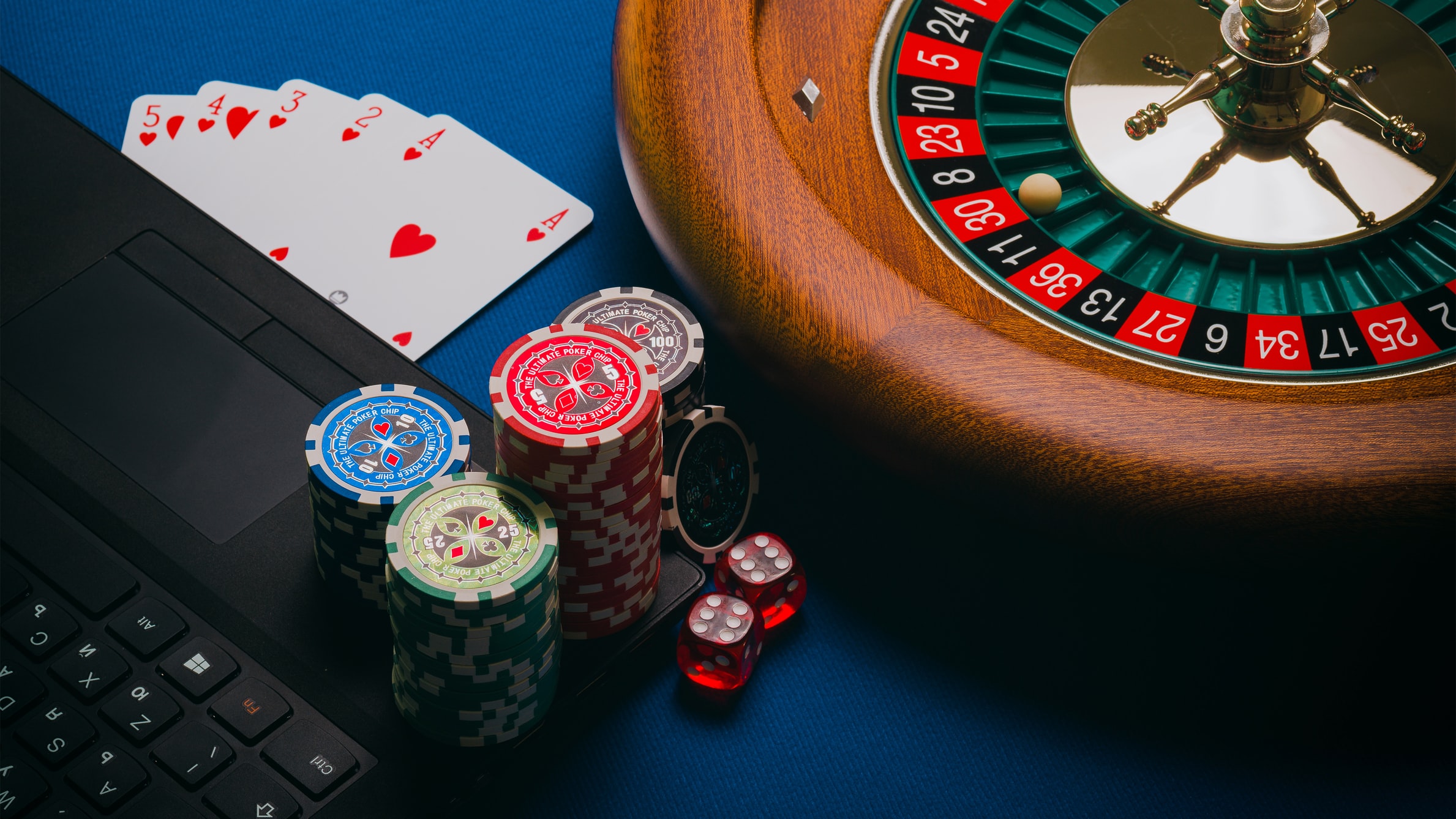
Moreover, the inherent unpredictability of gambling adds to the excitement. Players engage in a complex dance between risk and reward. This unpredictability keeps the adrenaline pumping, as they never know when a winning streak might occur. The highs and lows of winning and losing can lead to a psychological phenomenon known as “loss chasing,” where players continue to gamble in the hopes of recouping their losses, often leading to further emotional and financial strain.
The Role of Cognitive Biases in Gambling
Cognitive biases play a significant role in how players perceive their chances of winning. One of the most common biases is the “gambler’s fallacy,” where individuals believe that past events can influence future outcomes. For example, a player might think that a slot machine is “due” for a win after several spins without a payout, despite each spin being an independent event.
Additionally, players may overestimate their skill levels or become overly confident in their decision-making abilities. This can lead them to take greater risks than they usually would. Understanding these cognitive biases is essential for recognizing how they can influence gambling behaviors, often leading players to make irrational choices that can result in substantial losses.
The Impact of Social Influence on Gambling Behavior
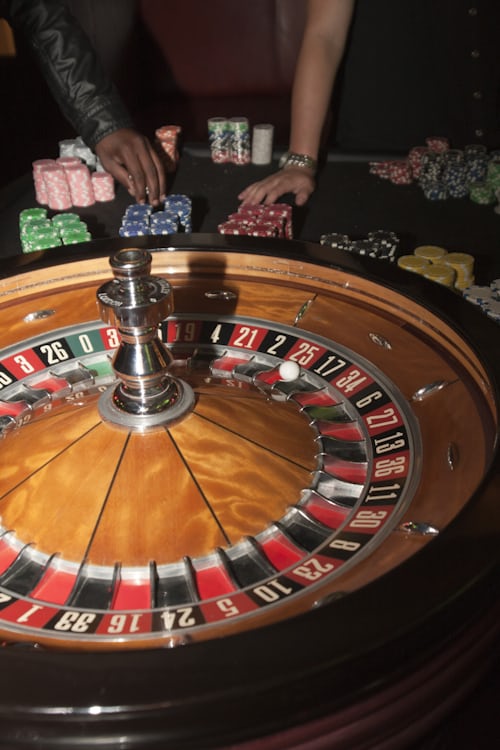
The social environment within casinos can also significantly impact a player’s gambling experience. Many people are drawn to the social aspect of gambling, interacting with fellow players and dealers. This camaraderie can enhance enjoyment and create a supportive atmosphere, but it can also pressure individuals to engage in riskier behaviors.
Peer influence can lead to a phenomenon known as “social gambling,” where individuals may play more aggressively or wager larger amounts in order to keep up with their peers or gain approval. The desire to fit in can sometimes overshadow rational decision-making, leading to choices that override personal limits or responsible gambling practices.
Strategies for Enhancing Winning Potential
While chance plays a significant role in gambling, understanding psychological principles can aid players in improving their chances of success. Adopting a strategic mindset can help manage emotions during gameplay, allowing for more calculated decisions. For example, setting strict limits on both time and money can help mitigate the risks associated with gambling.
Furthermore, players can benefit from familiarizing themselves with the odds and rules of the games they choose to play. Knowledge is a powerful tool that can reduce the influence of bias and emotions, ultimately leading to a more informed and potentially successful gambling experience.
Ensuring Safety in Online Gambling Environments
As players navigate the world of online casinos, it is crucial to prioritize security and responsible gaming. Websites integrating robust security measures, like those offered by Cloudflare, help protect users against online threats, ensuring a safer gambling experience. Such measures safeguard personal information and interactions within gambling platforms.
Encouraging responsible gambling practices is equally important. It is essential for players to remain aware of their limits and the psychological factors that can affect their gaming choices. By fostering a secure and informed online environment, sites can enhance player trust and overall enjoyment, providing a foundation for a sustainable gaming experience.